Beyond Soggy Tofu: Expert Secrets for Crispy, Flavorful Baked Perfection
For too long, tofu has suffered from a reputation of being bland, rubbery, or—the ultimate culinary sin—soggy. Many have tried, and many have failed, to transform this versatile plant-based protein into something truly crave-worthy. But what if we told you that perfectly crispy, deeply flavorful baked tofu isn't just a culinary unicorn but an entirely achievable reality? Drawing from years of professional kitchen experience and countless experiments, we’re here to unlock the secrets to baked tofu that even the most skeptical palates will adore. Forget the days of cardboard-like cubes; prepare to master a technique that yields golden, crunchy exteriors and tender, seasoned interiors every single time.
The magic isn't in some exotic ingredient or complex recipe; it lies in understanding the fundamental principles of baking and how they apply to tofu. Much like a pastry chef understands how heat transforms flour and sugar, mastering tofu means appreciating how specific preparation techniques interact with heat to create that coveted crispy texture. The science is simple, and the results are revolutionary, turning humble tofu into a star ingredient for everything from salads and stir-fries to curries and grain bowls.
The Foundation of Flawless Baked Tofu: Ingredient Essentials
Achieving baked tofu perfection begins long before it ever hits the oven. The success of your dish hinges on a few crucial ingredient choices and preparation steps that set the stage for crispiness and flavor absorption.
1. Tofu Type: Extra-Firm is Non-Negotiable
This is perhaps the most critical decision you'll make. For genuinely crispy baked tofu,
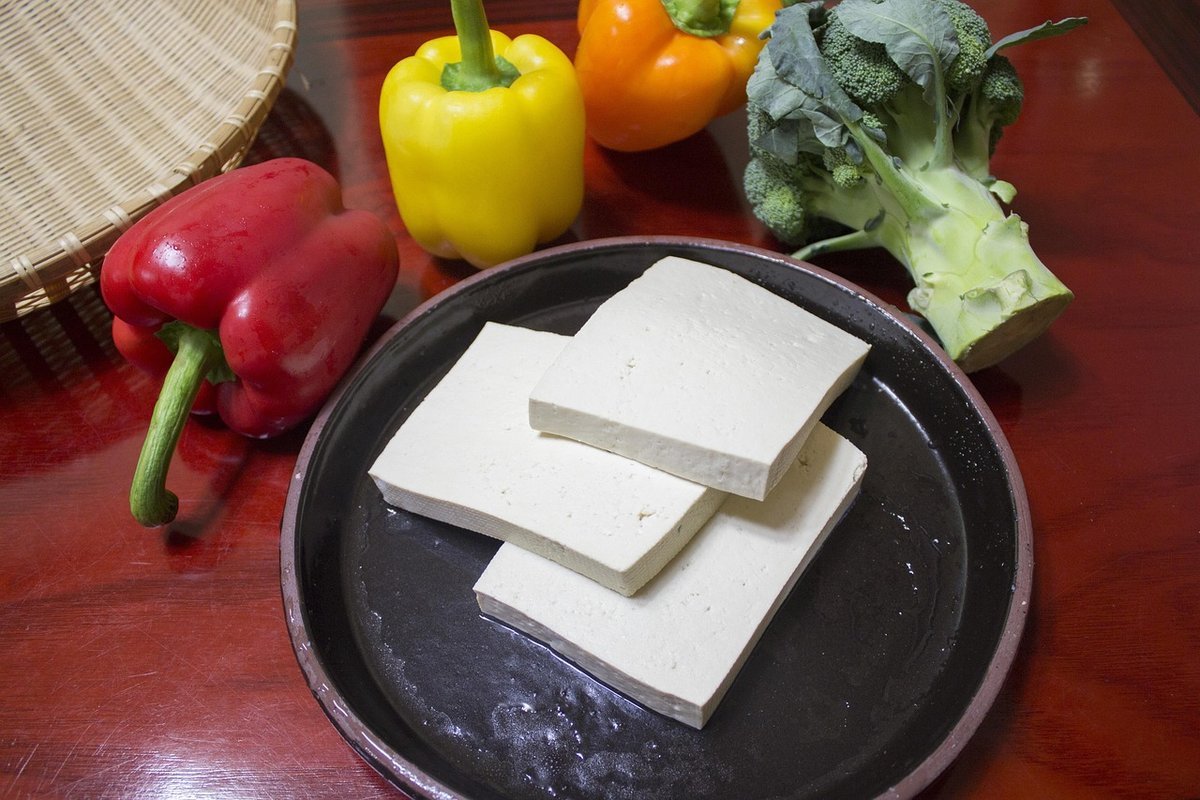
extra-firm tofu is your absolute best friend. Attempting this with silken, soft, or even regular firm tofu will likely lead to disappointment, as these varieties simply contain too much water and lack the structural integrity to hold up under high heat. Brands like Nasoya or House Foods are often reliable choices, feeling dense and holding their shape. The less water content it has initially, the easier it will be to achieve that desirable crunch.
While some recipes might suggest firm tofu as an alternative, extra-firm offers superior bite and crispiness. Remember, you're aiming to remove moisture, and starting with a low-moisture base gives you a significant head start. For a deeper dive into why this matters, check out our article on
Master Crispy Tofu: Why Extra-Firm Tofu & Cornstarch Are Key.
2. The Crisping Agents: Cornstarch or Arrowroot
This is where the exterior transforms from soft to shatteringly crisp.
Cornstarch is the unsung hero of crispy baked tofu. When heated, cornstarch forms a thin, protective shell around the tofu, locking in moisture while simultaneously crisping up beautifully. This creates that irresistible golden-brown crust.
*
Cornstarch: The classic choice, readily available, and highly effective.
*
Arrowroot Powder: An excellent alternative that functions identically to cornstarch, often preferred by those avoiding corn products.
*
Avoid regular all-purpose flour: While it can coat, it tends to create a heavier, doughier texture rather than the light, airy crispness cornstarch provides.
3. Oil Matters: High Smoke Point and Generosity
The right oil ensures proper browning and prevents the cornstarch coating from becoming gluey. Opt for neutral oils with a high smoke point to prevent any burnt taste and allow for higher baking temperatures.
*
Recommended: Avocado oil or grapeseed oil are ideal choices. They have a high smoke point and a neutral flavor that won't compete with your seasonings.
*
Olive Oil: Can be used, but save your expensive extra-virgin olive oil for finishing, as its delicate flavors can degrade at high baking temperatures.
*
Quantity: Don't be shy with the oil. Two tablespoons for a standard block of tofu might seem like a lot, but it's essential for achieving even browning and a truly crispy texture.
4. Seasoning: Be Bold, Be Generous
Tofu is a true culinary chameleon – its naturally mild flavor means it’s a blank canvas ready to absorb whatever delicious seasonings you throw its way. This is its superpower!
*
Taste Your Mix: Always taste your seasoning mixture (marinade or dry rub) before coating the tofu. If it doesn't taste vibrant and potent on its own, it won't magically improve once it’s on the tofu.
*
Salt is Key: Don't underestimate the power of salt. It enhances all other flavors.
*
Flavor Combinations: Think umami (soy sauce/tamari), savory (garlic powder, onion powder), a hint of spice (smoked paprika, chili powder), or a touch of herbiness (dried oregano, thyme).
Mastering the Technique: From Prep to Perfect Bake
With your ingredients sorted, the next step is to master the techniques that truly transform your tofu. These are the "secrets" that professional chefs swear by.
1. The Art of Moisture Removal: The #1 Secret to Crispiness
This is arguably the most crucial step. Tofu is packed with water, and water is the enemy of crispiness. Removing as much as possible is paramount.
*
Tofu Press: If you cook tofu often, an actual tofu press is a worthwhile investment. It applies even pressure, making the process effortless and efficient.
*
DIY Press: No special equipment? No problem. Wrap your tofu block in a few layers of paper towels or a clean kitchen towel. Place it on a plate, then top with a heavy object (a few cookbooks, a cast-iron skillet, or cans). Let it press for at least 30 minutes, ideally an hour or more. You'll be amazed at how much water is released.
*
The Freezing Shortcut: An ingenious trick for skipping traditional pressing is to freeze your tofu first. Freeze the entire block (still in its package) overnight. Thaw it completely in the refrigerator, then squeeze out the excess water. The freezing process creates ice crystals that expand and create more porous tofu, allowing it to release water more easily and absorb flavors better. This method can lead to a chewier, more "meaty" texture. For more on quick methods, read our article
Easy Crispy Baked Tofu: No Pressing Needed for Delicious Meals.
*
Final Pat Down: After pressing, always give the tofu one last thorough pat-down with paper towels to ensure its surface is as dry as possible.
2. Cutting for Optimal Surface Area
How you cut your tofu impacts its final texture and crispiness.
*
Cubes: The most common and versatile shape (e.g., 1-inch cubes). This maximizes surface area for browning.
*
Slabs/Triangles: Great for sandwiches or larger presentations, but ensure they are not too thick, or they might not crisp up evenly.
*
Crumbles: If you're making a "tofu scramble" or ground-meat substitute, simply crumbling the pressed tofu works wonders for maximizing crispy bits.
3. The Coating Process: Even Distribution is Key
Once pressed and cut, it's time to coat.
* In a large bowl, combine your chosen oil, cornstarch (or arrowroot), and all your seasonings.
* Add the tofu pieces and toss gently but thoroughly. Ensure every piece is evenly coated. The oil helps the cornstarch and seasonings adhere perfectly.
4. The Bake Itself: High Heat and Direct Contact
The oven is where the magic happens.
*
Preheat: Always preheat your oven to a high temperature, typically 400°F (200°C) or even 425°F (220°C). High heat is crucial for crisping.
*
Sheet Pan Setup: Arrange the coated tofu in a single layer on a baking sheet.
Crucially, skip lining the sheet pan with parchment paper or foil if you want maximum crispiness. Direct contact with the hot metal pan promotes superior browning and crisping. If you must use parchment for easy cleanup, understand that you might sacrifice a slight degree of crispness.
*
Spacing: Ensure there's enough space between each piece of tofu. Crowding the pan will steam the tofu instead of baking it, leading to a soggy result. If necessary, use two baking sheets.
*
Baking Time & Flipping: Bake for 20-30 minutes, flipping the tofu halfway through. Look for golden-brown edges and a satisfying crispness. Baking times can vary slightly depending on your oven and tofu thickness.
Beyond the Basics: Elevating Your Baked Tofu Game
You've mastered the fundamentals, but the journey to truly extraordinary baked tofu doesn't have to end there. Here are some ways to take your creation to the next level.
Flavor Profiles and Marinades
While the core technique relies on dry seasoning and oil, you can certainly incorporate marinades for deeper flavor.
*
Post-Press Marinade: After pressing and cutting, marinate the tofu for at least 30 minutes (or up to a few hours) to infuse it with flavor.
*
Thick Marinades: For baked tofu, thicker marinades work best as they cling better. Thin, watery marinades can add back moisture, so ensure you pat the tofu dry again after marinating if it feels wet.
*
Umami Boosters: Tamari (for gluten-free needs, a perfect swap for soy sauce), coconut aminos (a slightly sweeter, soy-free alternative), miso paste, nutritional yeast, and liquid smoke can add incredible depth.
*
Sweet and Savory: A touch of maple syrup or agave nectar can balance savory flavors, though it's easily omitted if you're avoiding sweeteners.
Storage and Reheating for Continued Crispness
Baked tofu is best enjoyed fresh, but it can be stored.
*
Refrigeration: Store leftover baked tofu in an airtight container in the refrigerator for up to 3-4 days.
*
Reheating: To restore crispness, reheat in a hot oven (375°F/190°C) or an air fryer until heated through and re-crisped. Microwaving will make it soft.
Versatile Applications
Crispy baked tofu is incredibly versatile. It's a fantastic protein addition to almost any meal.
*
Bowl Meals: Pair with rice, quinoa, roasted vegetables, and your favorite sauce.
*
Stir-fries: Add at the very end to maintain crispness.
*
Salads: A delightful crunchy topping.
*
Tacos/Wraps: A flavorful plant-based filling.
*
Curries: Adds texture and protein.
Conclusion
No more settling for soggy, uninspired tofu. By understanding the critical role of extra-firm tofu, the power of moisture removal, the magic of cornstarch, and the importance of high heat, you can consistently create baked tofu that is wonderfully crispy, deeply flavorful, and incredibly satisfying. These expert secrets, honed in professional kitchens and proven with countless home cooks, empower you to transform a humble block of soy into a culinary triumph. Embrace these techniques, experiment with your favorite seasonings, and prepare to elevate your plant-based meals to delicious new heights. Your relationship with tofu will truly be transformed forever.